
Children of Fiji Charity – A summary of some of our larger projects
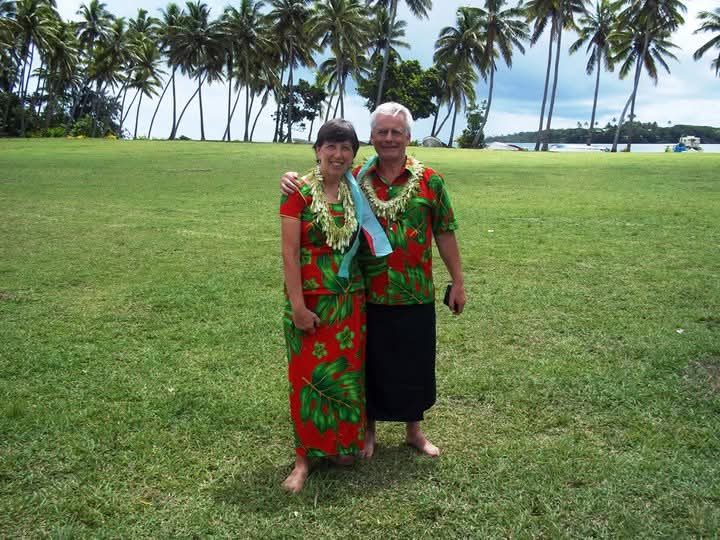
In 1999 we made our first visit to Fiji to help at a children’s home. We immediately saw some of the problems they faced at the home and decided to do something to help. We began by producing a brightly coloured play area for the children.

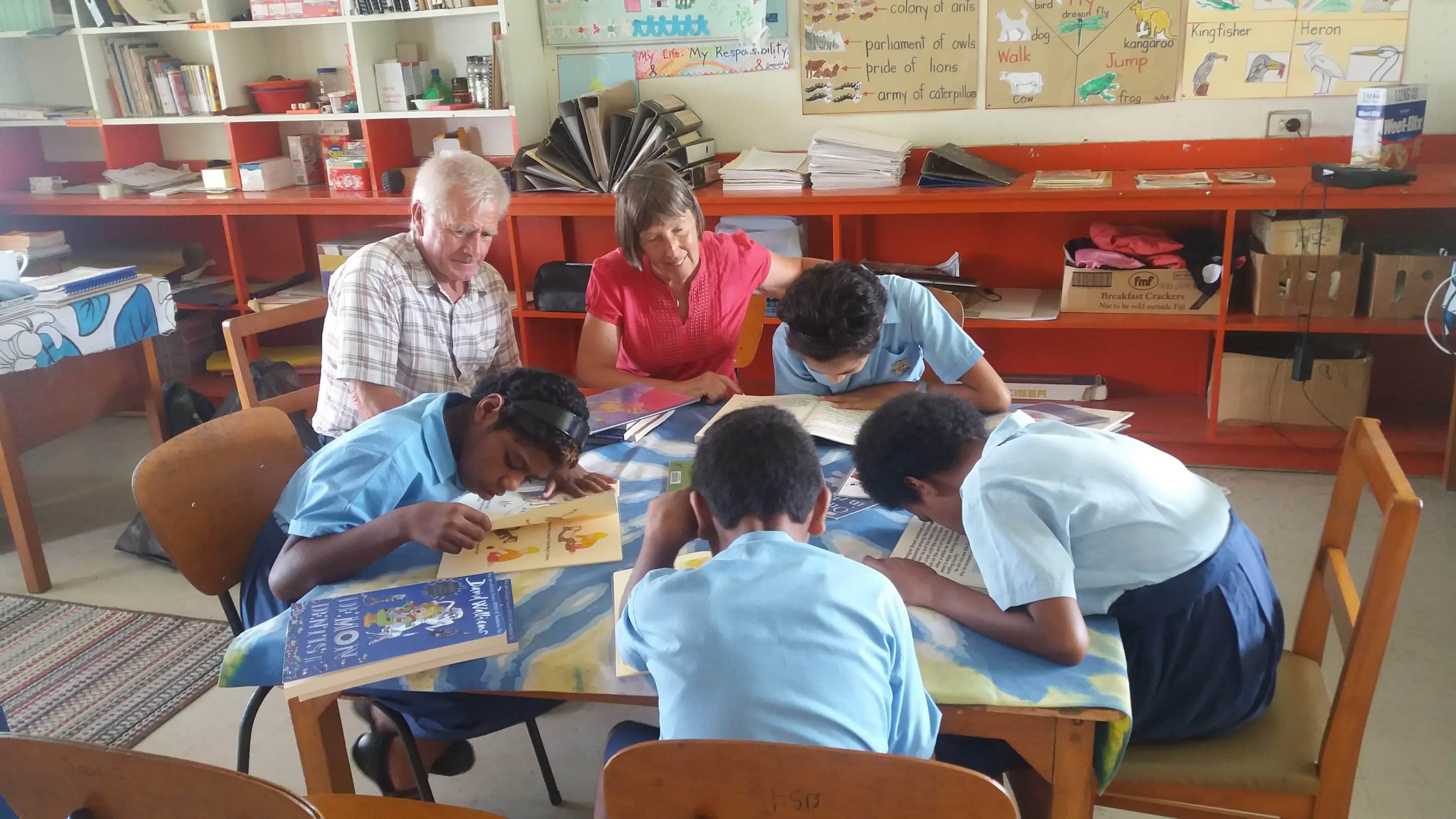
The following year we returned to Fiji and continued our work at St Christopher’s Children’s Home. We also visited some of the schools that the children attended. This was quite an eye-opener for us, having both been teachers in the UK. There was a significant lack of basic facilities and resources.
. It was after this visit that we decided to set up the registered charity Children of Fiji. Our declared aim for the charity was to advance education, health and welfare and to relieve poverty of children in Fiji’.
Being just the two of us, means that there are no salaries and all money raised goes directly to help needy children. For many years we have marked A level and GCSE exams to raise the money to help with the travel costs for our visits.
For those who are not aware, Fiji is a country in the Pacific Ocean, consisting of around 300 islands, of which around 100 are inhabited. Transport between the islands is often very difficult, very time consuming and often unreliable. We have carried out projects on several different islands.
Our very first project was to build a kindergarten at one of the schools near the capital, Suva. This would become one of the first kindergartens in Fiji. We started our fund raising and were thrilled when the golfer Vijay Singh nominated Children of Fiji for the Presidents Cup 2000. We used this money towards the construction of Sunny Smiles, Bainivalu. We have subsequently built a further 8 kindergartens on several other islands and have named them all Sunny Smiles (except for two kindergartens built in sugar cane growing areas and partly financed by Tate and Lyle. We called these two Sweet Smiles!)
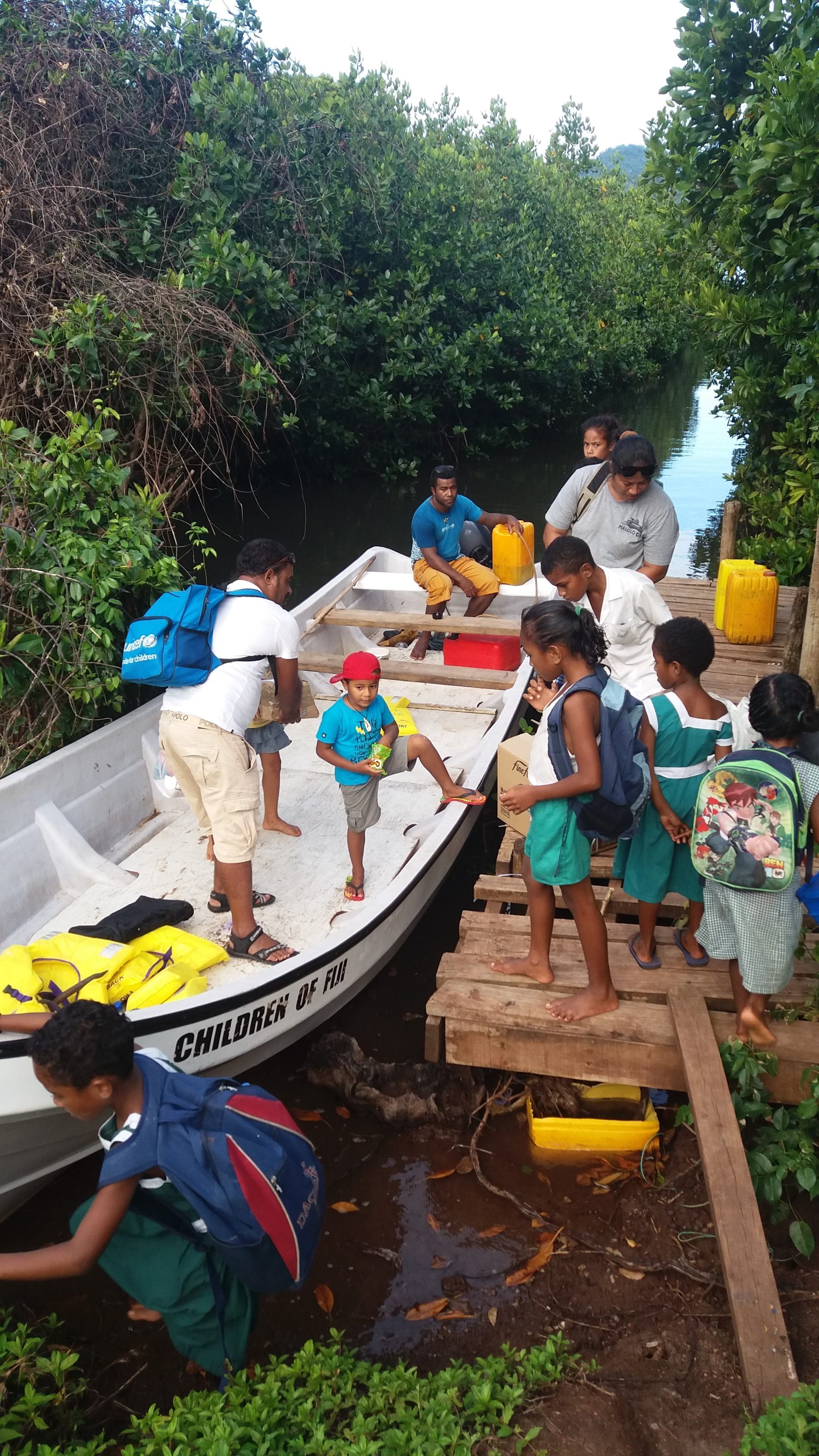
Apart from providing basic resources, play areas, study areas and libraries at many rural schools (and in some cases electricity and computers), we have also turned our attention to the problems faced by children just trying to get to school (many have to swim, wade through rivers, or negotiate muddy and dangerous paths) and have financed the building of 3 bridges, provided several boats with outboard motors and had concrete walkways constructed.
Many schools in rural locations on some of the more remote islands have no access to fresh water or sanitation and we have carried out many projects to provide these basic rights.
On the health front, we have provided much needed resources and equipment for nursing stations and for the paediatric departments of the main hospitals. This has included Doppler machines (for foetal heart monitoring), CPAP machines (for treating premature babies), EEG machines for early diagnosis of disorders such as epilepsy and a portable blood gas machine for the paediatric ICU unit of the main hospital.
Normally we work on projects to benefit large numbers of children, rather than individual children, but over the years we have come across children with specific needs and managed to find help for them. For example, we organised for a 13-year girl, Shayna, with major facial disfigurement to have reconstructive surgery in the Chelsea and Westminster Hospital in London. The surgeons carried out the surgery over a six-month period at no charge to us and Shayna is now working and enjoying time with friends, something she never dreamt would happen. We also came across Sam, who had a major heart condition. His parents had been told that he only had a few months to live. We managed to get him to New Delhi for life saving heart surgery (again the surgeons carried out the procedure at no charge and Sam is now fully recovered). When we met Timoci, he was in a wheelchair and unable to walk, but after treatment in Hawaii he came back able to walk!
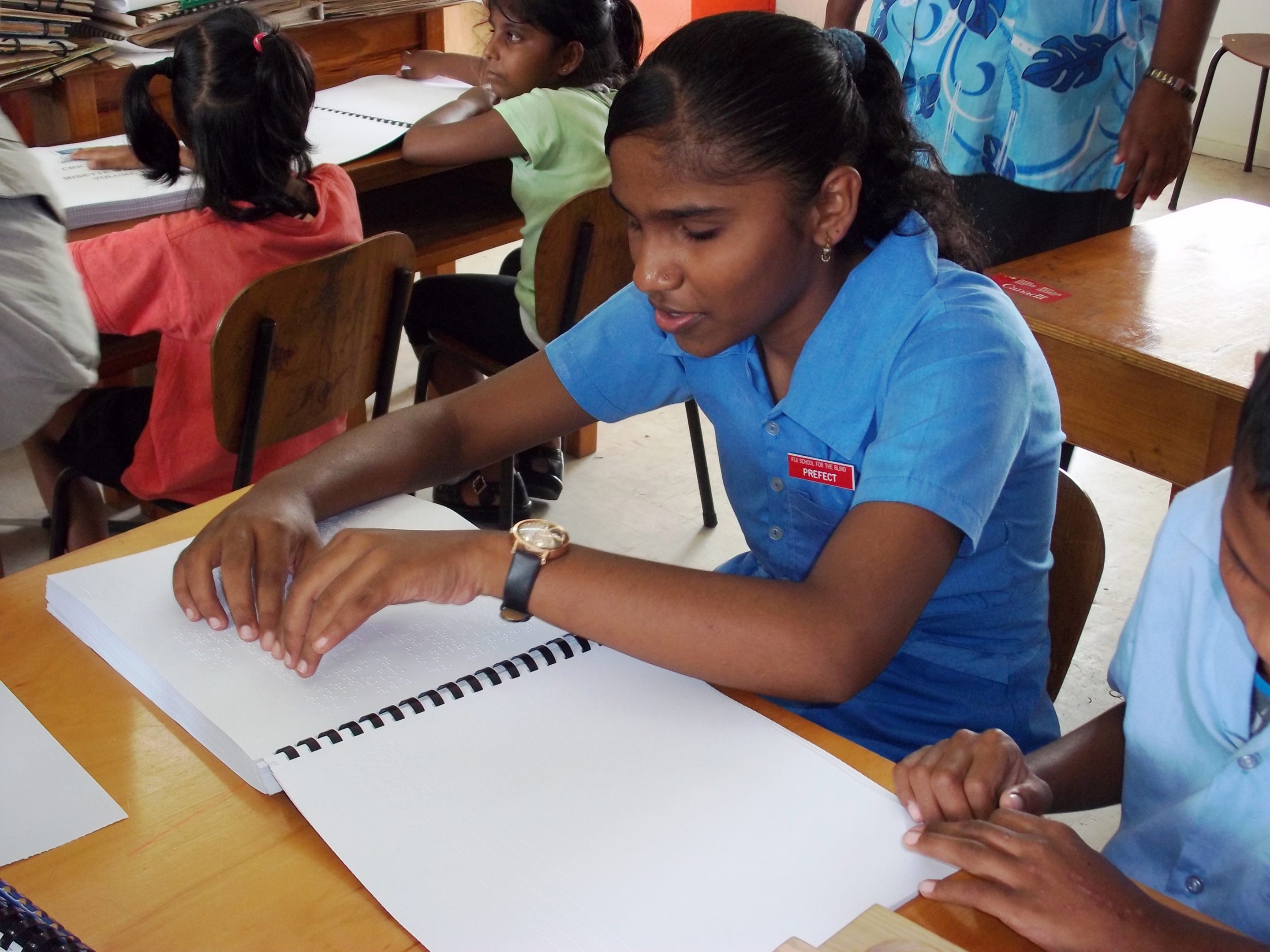
We have done a lot of work in Special Schools, particularly the School for the Blind, where we have provided Braille machines, tactile resources and audible sports equipment. In addition, inmates in the high security Wakefield Prison have translated fun reading books and curriculum books into Braille for us to take out to the children there. We recently produced a Safe Home to provide secure and supervised accommodation for vulnerable children at one of the Special Schools.
On our most recent visit (September 2026) we were able to visit some new projects, as well revisit some other well established projects. We have also identified future projects, which include sanitation for a rural school on the island of Ovalau and the improvement and equipping of the school’s library.
Margaret & Peter Long.
Last Updated on 26th October 2026