
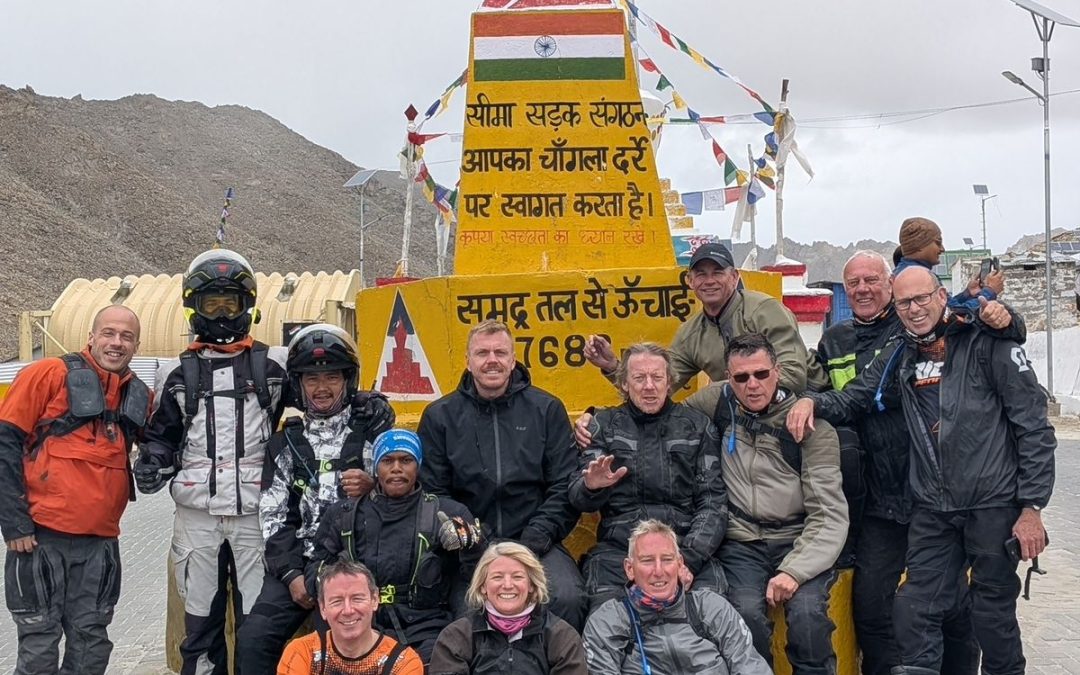
During this past Summer, we, that is Terry and Simon, fulfilled a long-held ambition to ride motorcycles across the Himalayas. We embarked on an organised, two-week tour with an extra couple of nights in Delhi at the beginning.
After a shaky start, thanks to British Airways cancelling one flight then turning the next one back when we were about halfway there, we got to Delhi a day late.
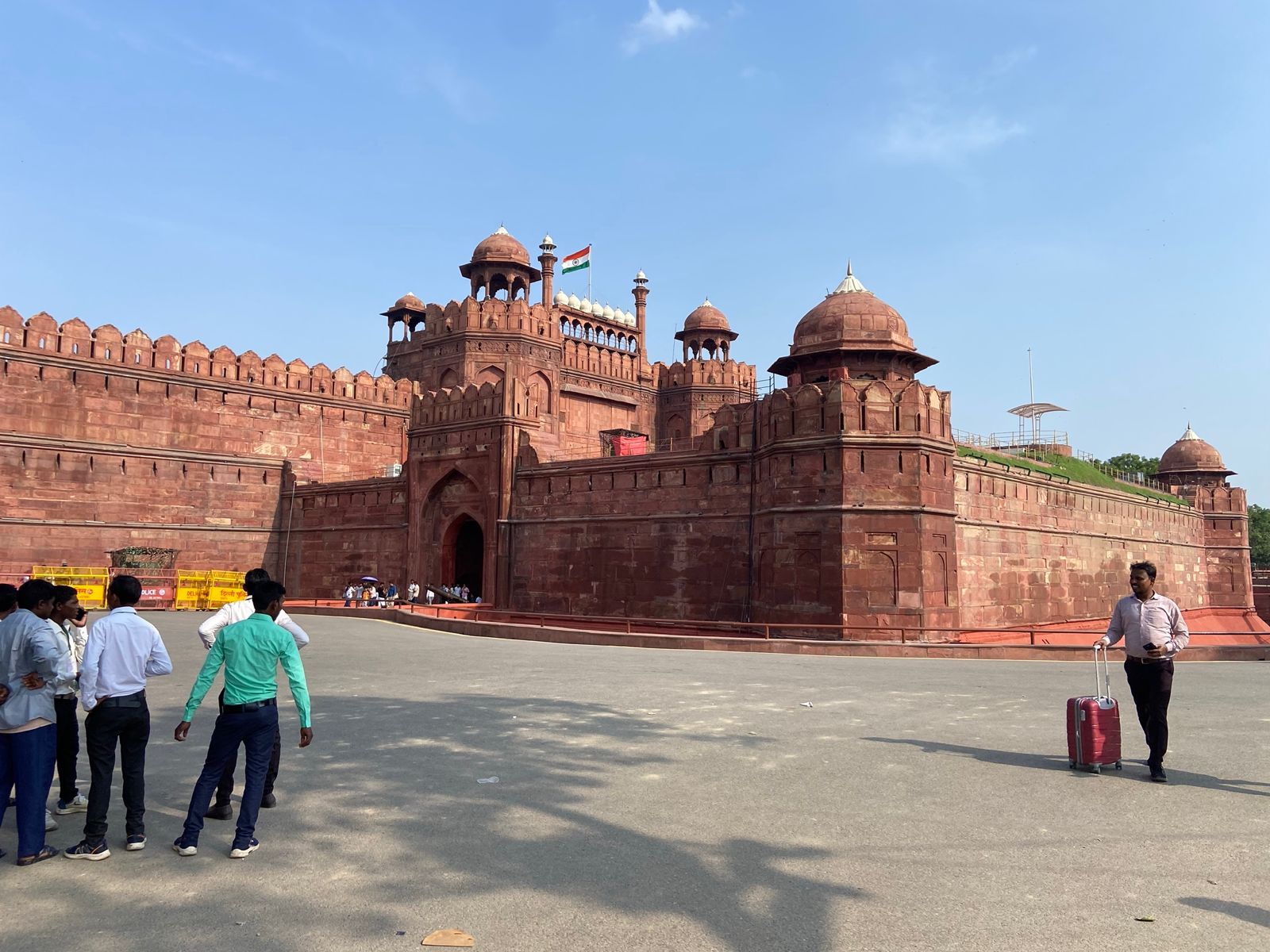
For the day we were there we went on a whirlwind tour of Old Delhi including the spice market, the Red Fort, Ghandi’s ghat and a variety of alleyways on bicycle rickshaws. The noisy and chaotic traffic were something to behold but it was soon realised that it was all in slow motion and in very good humour; no road rage here!
On our second day we travelled by train to Shimla, the seat of British rule in the summer months in the days of the Raj. A ten-hour journey which cost £15 each. South-West trains take note! The second train was the “Himalayan Queen” or toy train, an historic UNESCO World Heritage narrow-gauge line built by the British around 1900 which runs up the mountains with glorious views appearing at every turn. Shimla was full of Raj-era buildings but with not much to do except view the Viceroy’s palace, a monastery and an army museum.
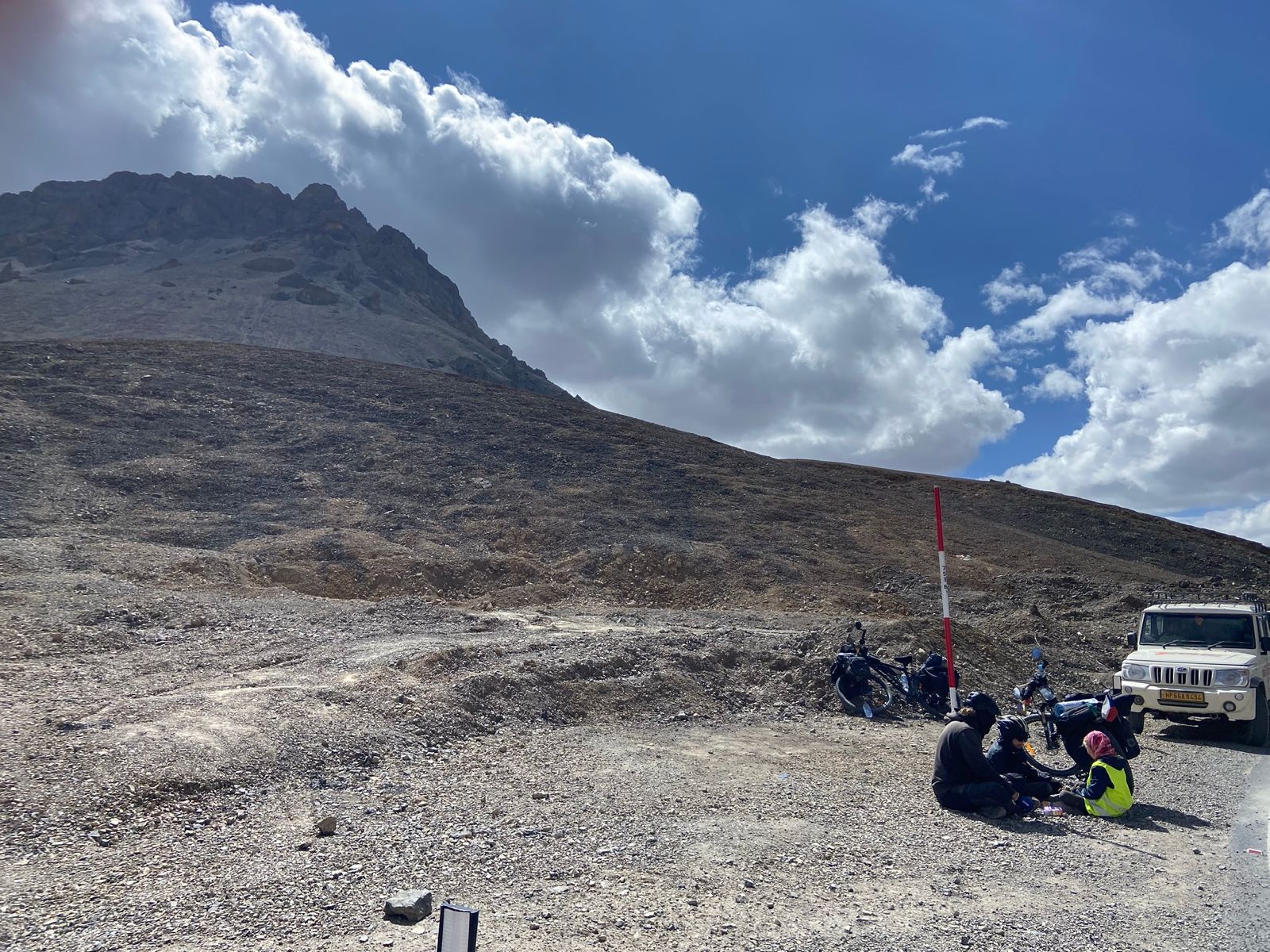
After Shimla we joined the motorcycle tour at Kufri. The tour took us from Kufri – Kalpa – Nako – Kazo – Keylong – Sarchu – Leh – Pangong Lake – Hanle and back to Leh where it finished. This route took in some of the high passes, temples and the famous Spiti valley which was like another world entirely. When we paused at one pass we spotted three cyclists powering up to the summit. On closer inspection it was found that two were young children, 10 and 7 years old, and their father. They were Czech-Canadians on a 700 km cycle tour of the Himalayas during the summer holidays. It must have been an incredible experience for them all.
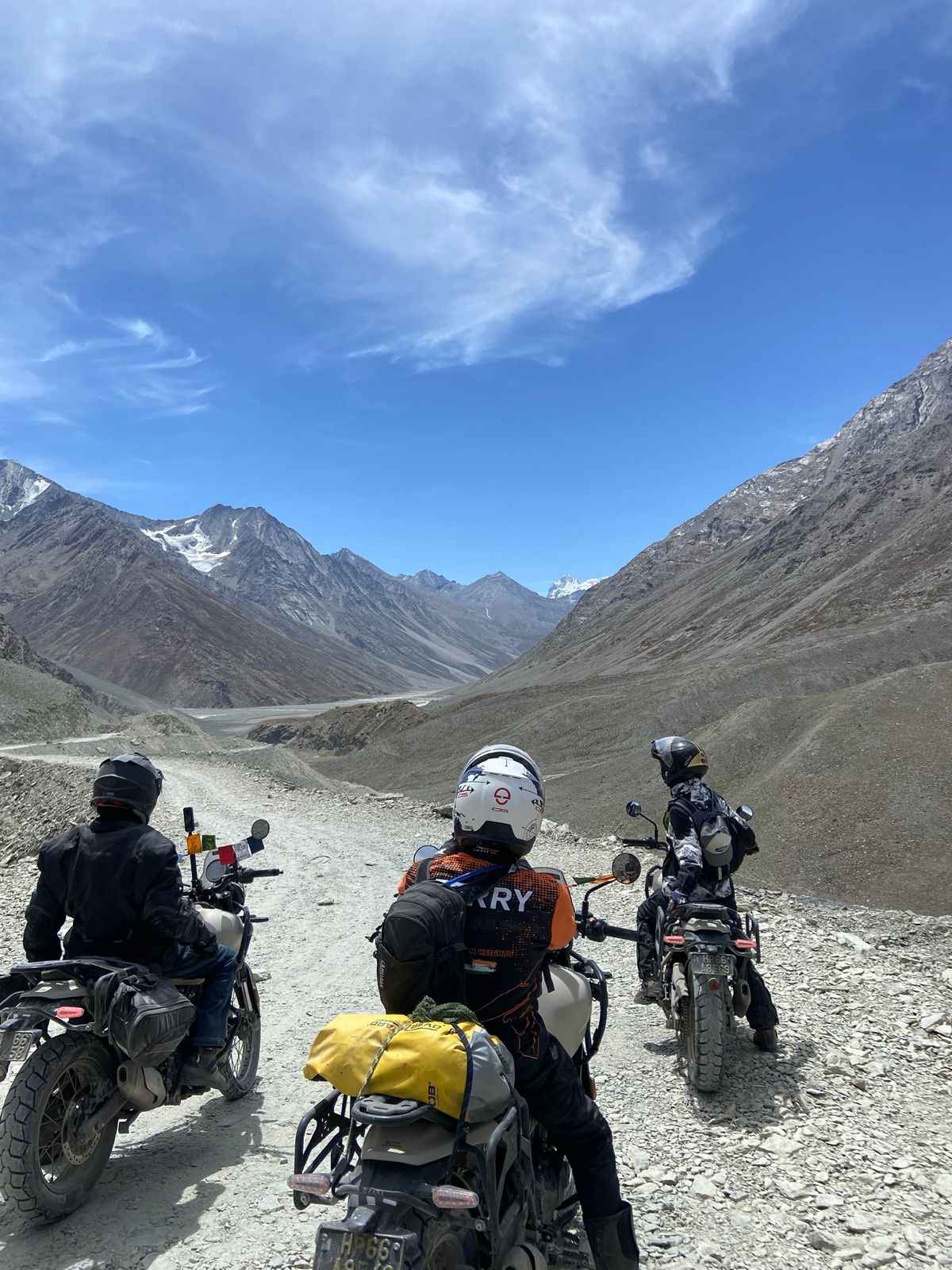
Having seen local driving standards in Delhi we were relieved to find that the traffic was fairly light once out of the urban centres, although overtaking slow lorries grinding up hairpin-strewn dirt roads with only a few feet to spare before plummeting down a sheer mountainside took a bit of getting used to. The quality of the road surfaces varied greatly; from perfect tarmac close to the Chinese border to rocky, dusty dirt tracks and loose pebbles. The dust was all permeating and took a lot of shifting from our clothes at the end. One day was almost exclusively rocky tracks and once we regained decent tarmac I dismounted and kissed it in gratitude!
The Indian army has about one million men under arms. Most of these seemed to be near the Chinese border with many camps, bunkers and artillery positions littered around. The Border Roads Organisation are responsible for building and maintaining the roads for the army in this area. They also provide road safety signage along the way with slogans such as “The road is hilly, don’t drive silly”, “After whisky, driving risky” and other pearls of wisdom.
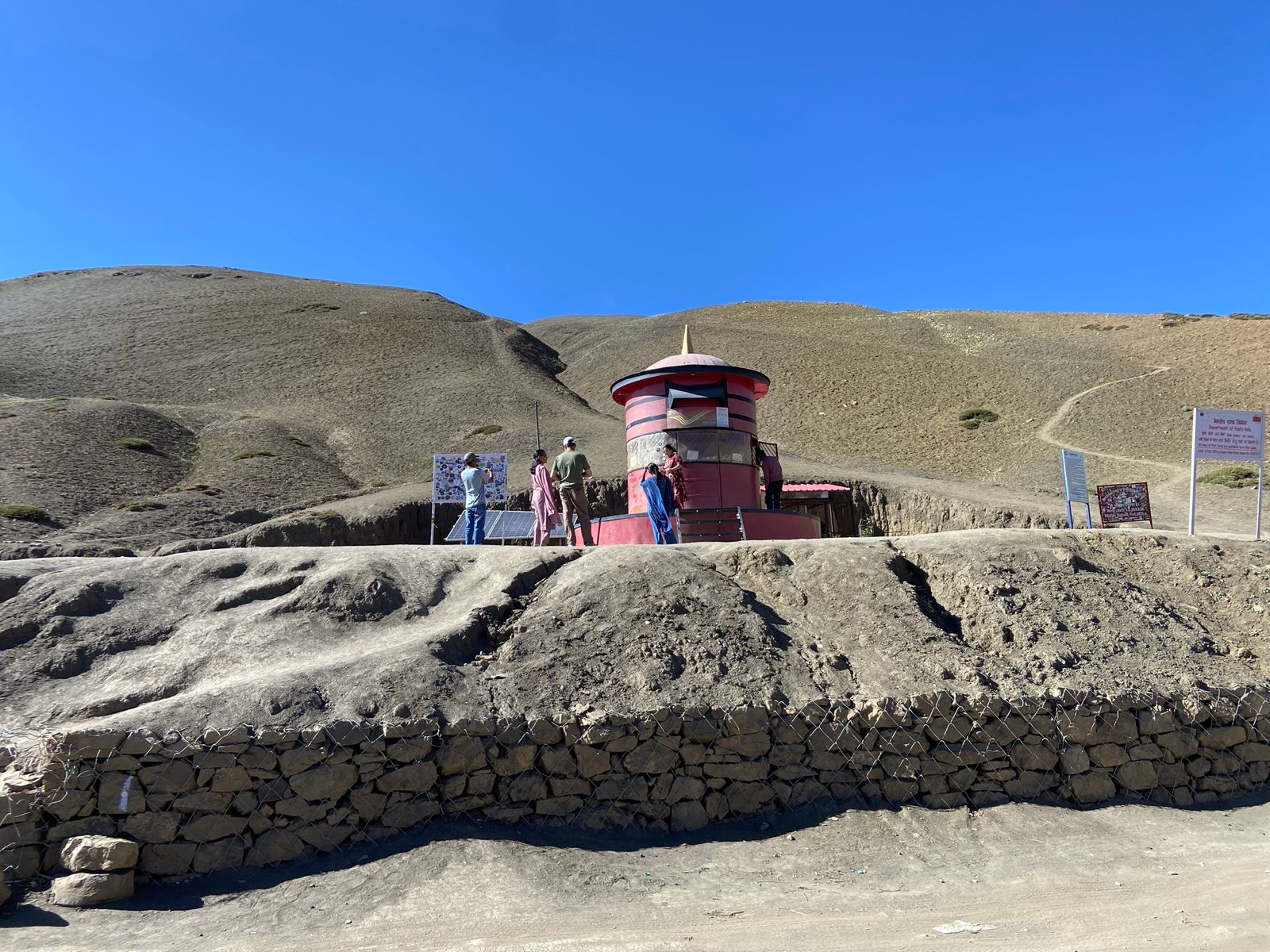
One evening some of us went up to the world’s highest Post Office at Hikkim; a large red building constructed from sheet steel in the manner of a large post box. A postcard was sent back to Cattistock for the princely sum of 30 rupees, or about 25p. It was not expected to be seen again but four weeks later Dave delivered it to the door with no extra postage due!
The weather was fantastic; blue skies and sunshine in the main. On only one day did we experience rain, snow and cold winds. The tour leader remarked that he has never known a Himalayan tour to be so blessed.
The accommodation was everything from a 5 star hotel to tents to what appeared, at first glance, to be a building site. One outstanding accommodation highlight was a tiny cabin with bunk beds but with a massive picture window overlooking the beautiful Pangong lake and a roof window to observe the stars in this ultimate of dark sky locations. Sadly it was cloudy the night we stayed there, but we were too tired to have appreciated the stars for long anyway. The one night we spent under canvas was still good; the tents were “ensuite”, and we were issued with hot water bottles before retiring to bed. Entertainment that evening was provided courtesy of a highly entertaining multinational cricket match.
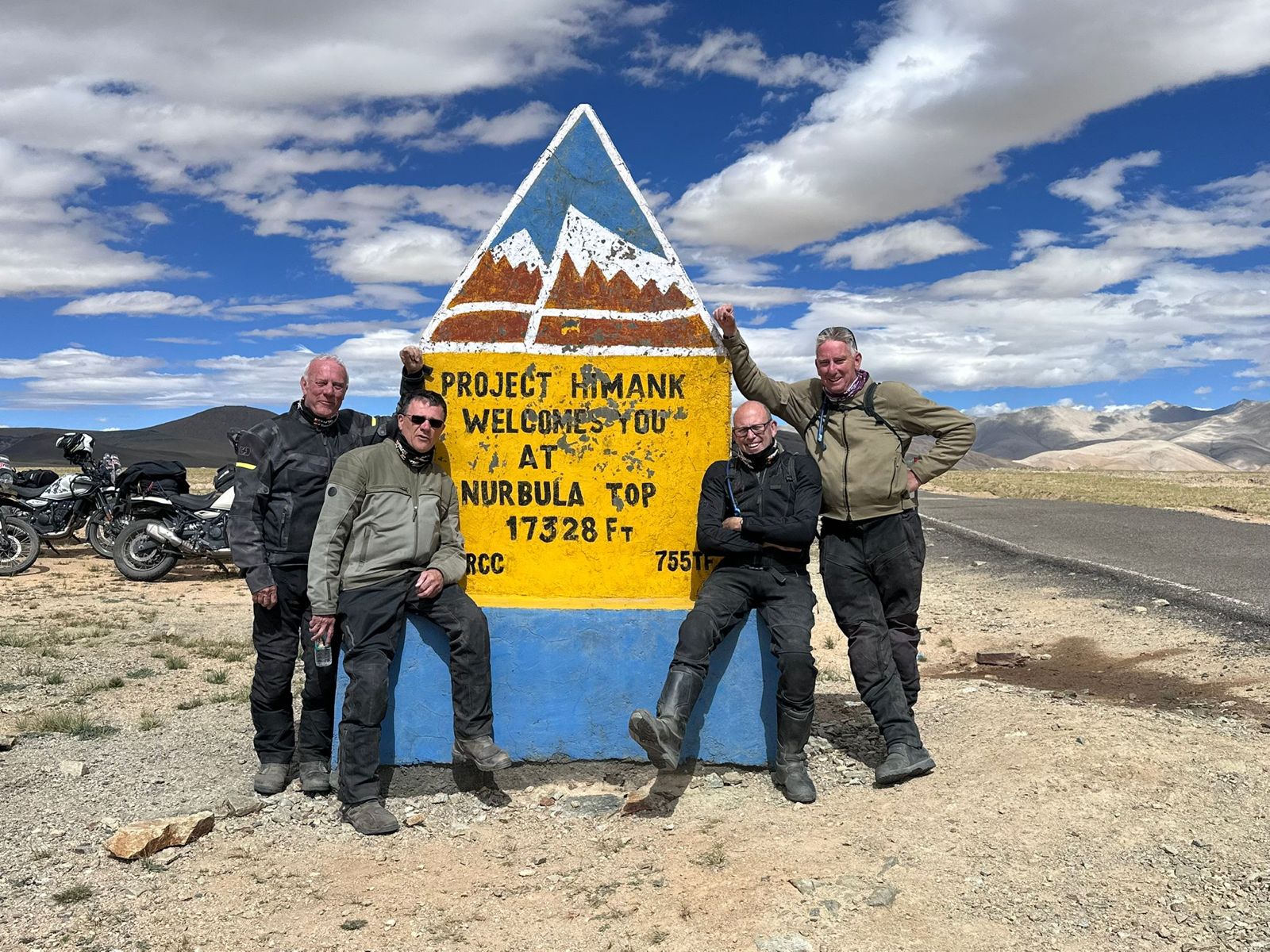
Altitude was a potential problem; we had been advised to take anti-altitude sickness tablets to combat any ill effects but even so many normal activities were difficult to undertake; even a short trot across a car park resulted in rapid breathlessness. A few of the blokes hadn’t taken any medication and were soon suffering from severe headaches and a bit of nausea. The tour leader picked up on these as early warning signs and dispensed the required pills.
The local people that we met were incredibly friendly and it took a bit of adjusting to, in that they were actually interested in us, where we’d come from and what we were doing there. On a couple of occasions old ladies circled round while videoing us on their mobile phones. We were also approached by children who asked if they could practice their English or take selfies with us.
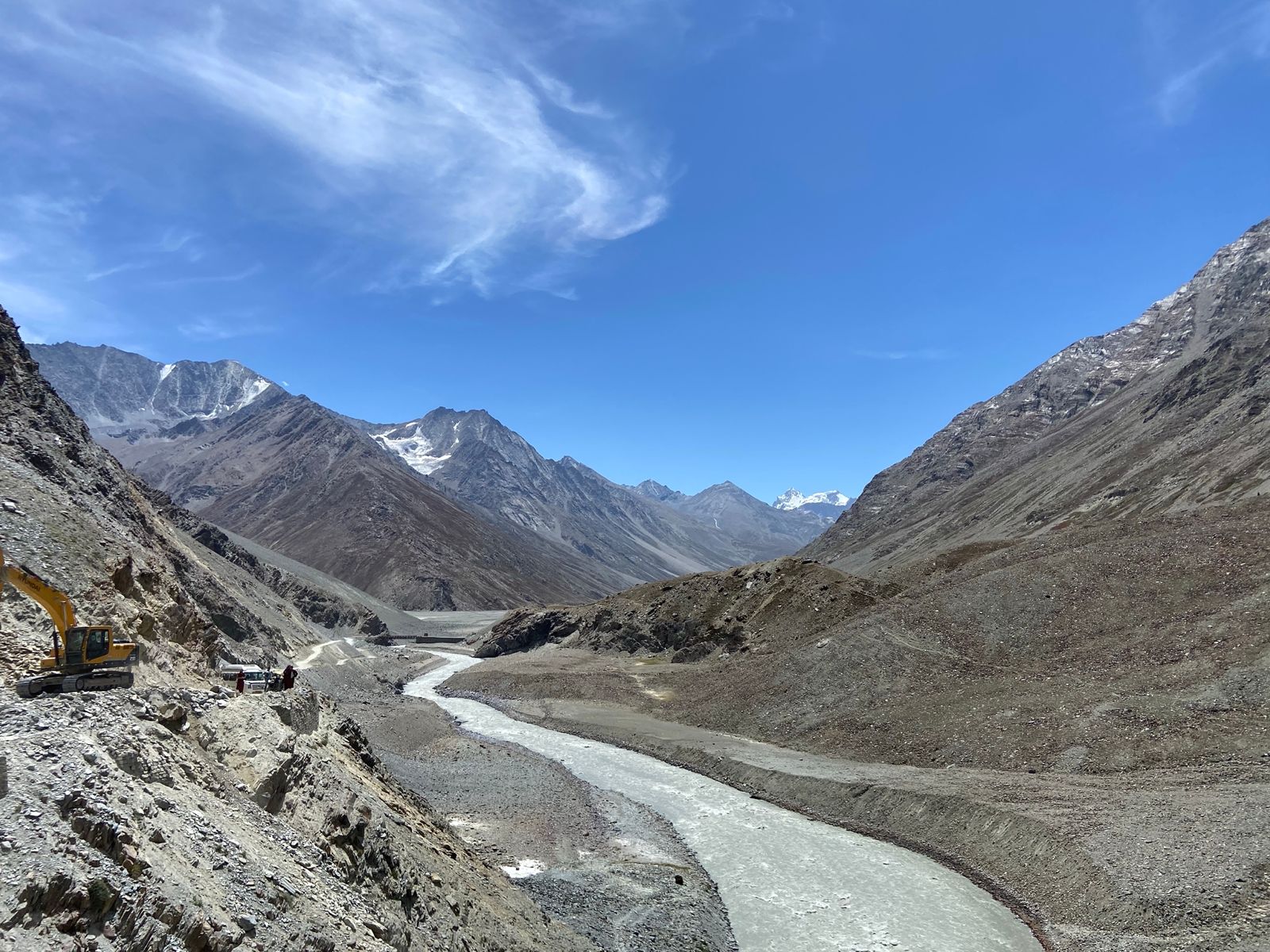
The scenery was absolutely amazing, massive mountain vistas which were difficult to photograph and gain any sense of their scale; the only way to do it justice was to try and capture people or human infrastructure in the pictures, even then the vastness of the landscape isn’t always apparent.
The bikes that were supplied were Royal Enfield 450 Himalayans: basic and not particularly powerful but ideally suited to the terrain and road conditions and extremely robust; mine managed to survive head-on collisions with a variety of large rocks and ditches without sustaining any damage to the front wheel or forks.
We had a mix of nationalities on the tour, mostly Brits, but also Australians, an American and then the local support crew and guides. Despite the mix of ages and backgrounds we all got on very well and are still in contact with each other now.
In all it was an amazing experience; a truly memorable trip of a lifetime and we would do it all again without hesitation.
Last Updated on 10th November 2026