
Nature Table
~ A periodic commentary on aspects of wildlife and gardening in and around Cattistock. ~

The bee–riding Rugged Oil Beetle
If you walk through the Cattistock churchyard at night (in autumn or winter) you might catch sight, in your torch beam, of some black beetles on the short grass either side of the path. They’re about 1.5cm (a little over ½ inch) long, with rounded rather bulbous bodies. They’re not quick, in fact they’re pretty glacial in their movement; and they won’t hurt you. They’re Rugged Oil Beetles.
These beetles have quite an interesting cycle and strategy in life. As adults they might be slow and rather globose – but as wild living youngsters they’re bee riders! Yes, they ride bees. For the Sci-Fi lovers out there, think of the book/film Dune and Paul Atreides (Timothee Chalamet) riding an enormous sandworm – but on a slightly smaller scale.
The nocturnal adults in St. Peter and St. Pauls churchyard feed on vegetation, such as the leaves of Daisy and Lesser Celandine, with the bodies of females ballooning as they develop thousands (yes, thousands) of eggs. In contrast to the crickets and grasshoppers that enjoy the taller grassland, they seem to prefer the areas of shorter grass, and so no doubt appreciate the regular mowing of the church path verges. Biological diversity.
Over the winter, the females, after mating, dig a series of holes and into each she will lay up to a thousand eggs (apparently producing up to 30,000 eggs over several months). It’s not until spring that the eggs hatch, at which point thousands of baby Rugged Oil Beetles, known as triungulin, emerge. Unlike the adults they’re long, thin, orange and less than 1mm long.
These miniscule beetle larvae eat pollen and need to grow exponentially; but moving from flower to flower when you’re that size would be pretty taxing – so they try to get someone else to do the work. These baby beetles climb up onto a flower, with the objective of climbing onto a bee (that will be visiting the flower to feed on and/or collect nectar (carbohydrates) and pollen (protein)). But the triungulin does not simply want a lift to the next flower, it’s got bigger and better plans.
We’ve got over 250 different species of bee in the UK. The single species of Honey bee aside, the majority of our bees are solitary, for example a single female will dig a nest hole in the soil and collect provisions of pollen and nectar to store in the nest hole, to provide food for her young. And so rather than the baby oil beetle wondering around eating a little pollen on this flower and a little on that flower, why not just raid someone else’s stash of pollen and nectar?
And so many thousands of minuscule Rugged Oil Beetle larvae, on a sunny spring day in our Cattistock churchyard, are hoping to hop onto a solitary mining bee to be taken back to its cosy nest and tuck into the collected reserves of food. Essentially oil beetles are parasites, or to be exact, cleptoparasites (feeding on the host’s food supplies, rather than on or in the host itself). On eating the bees stored food, the oil beetle grows, pupates and then emerges as an adult in the autumn, to eat leaves, expand and repeat the lifecycle.
And so why produce so many young? Well, there are over 1,500 different species of insects that pollinate flowers in the UK, including flies, wasps, beetles, butterflies and moths (which DON’T collect and store pollen and nectar). As such, the majority of triungulin hitch a lift with the ‘wrong’ host and simply perish – and they’re probably a tasty morsal for some other insects too.
What do we think of such parasites doing down our lovely bees? Not to our taste, perhaps, but just an example, I think, of the extraordinarily fantastic complexity of the myriad of wildlife that has evolved over millions of years, and which interact and balance each other in wonderful and mysterious ways.
There are five species of oil beetle in the UK. The Rugged Oil Beetle is considered to be relatively rare and assumed to be in decline, although is likely under-recorded. The relatively strong population of Rugged Oil Beetles in Cattistock’s churchyard reflects a healthy population of wild solitary bees – which is good news!
THE WILDLIFE OF CATTISTOCK, OVERVIEW:
Most Dorset villages offer diverse habitats for native flora and fauna, but Cattistock offers more than most. Almost every dwelling has a garden, and many of them are managed for the benefit of birds and insects as well as us humans.
The contingent farmland is mainly pasture, dotted with copses and criss-crossed with footpaths – plenty of scope for the now-rare farmland birds, and the opportunity to spot them. Our valley, Lankham Bottom, is a noted butterfly reserve, with glow-worms on its chalk escarpments too.
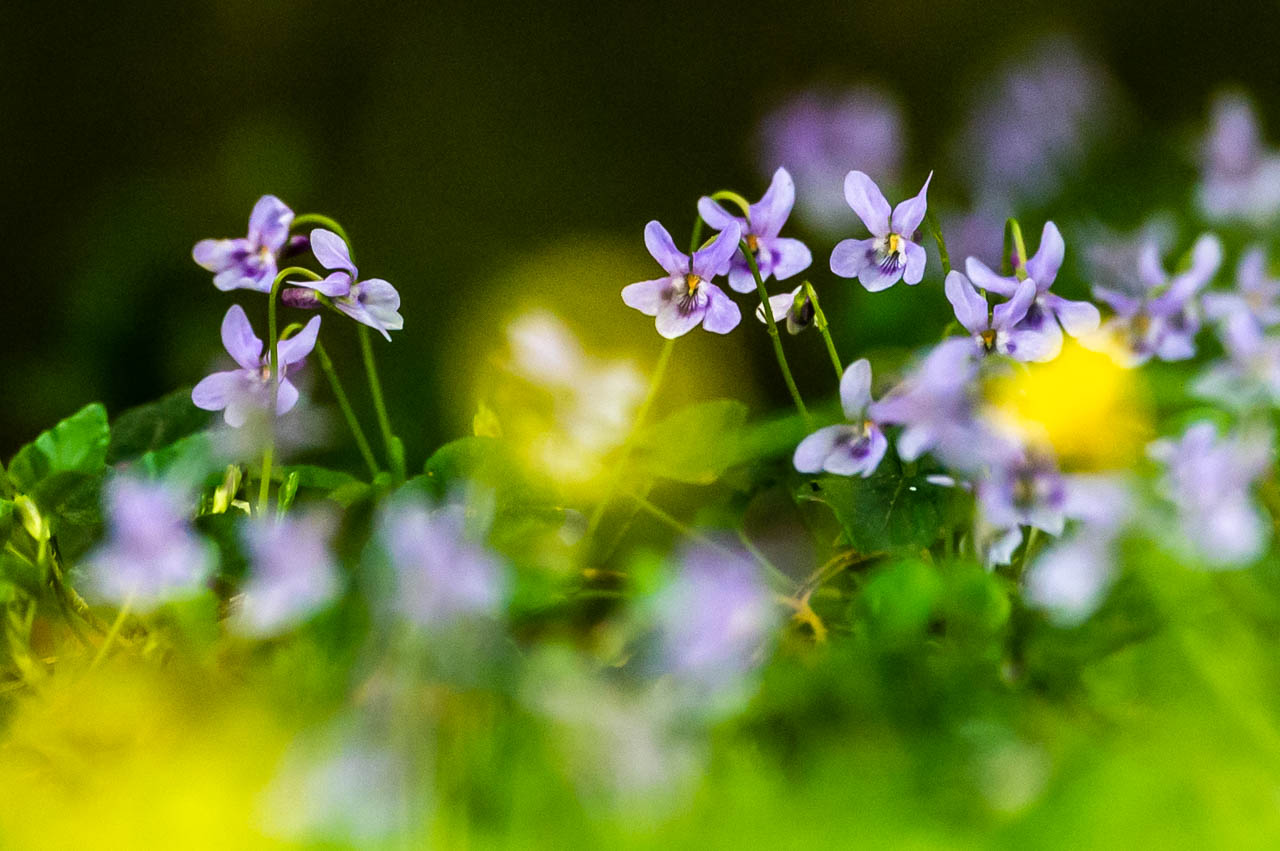
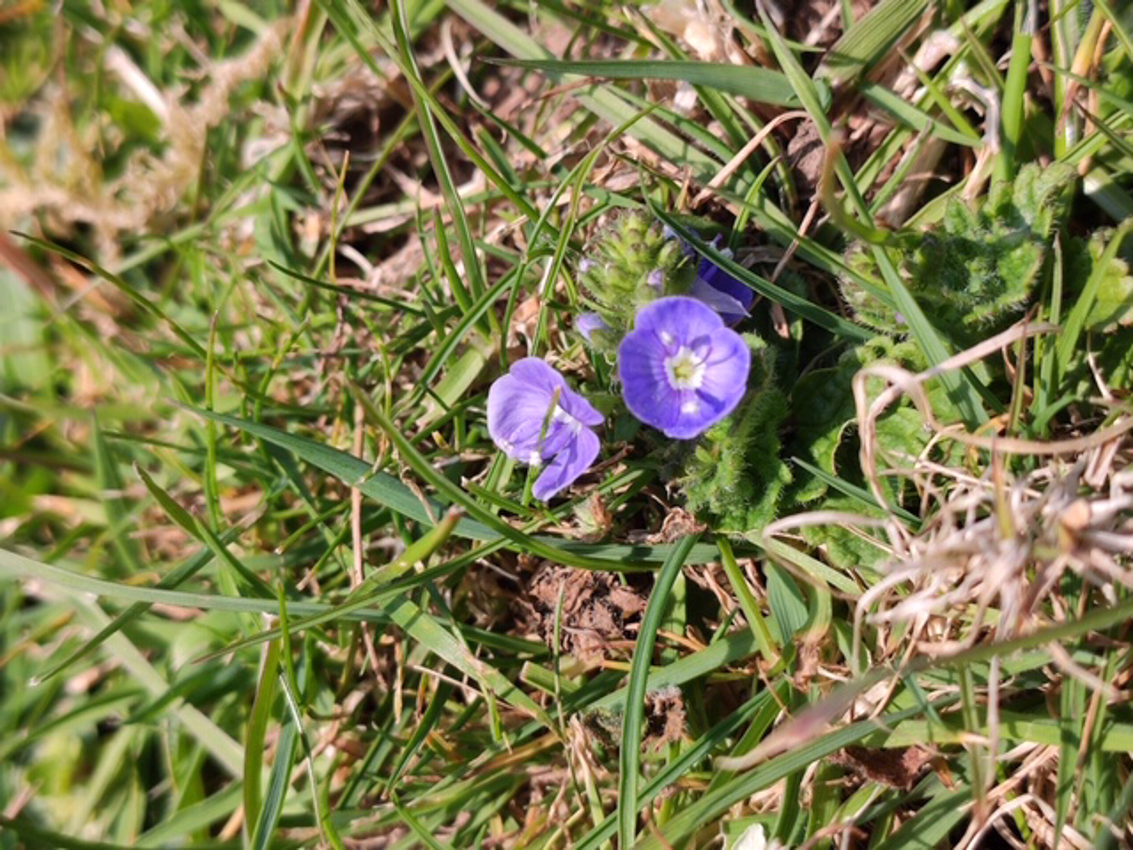
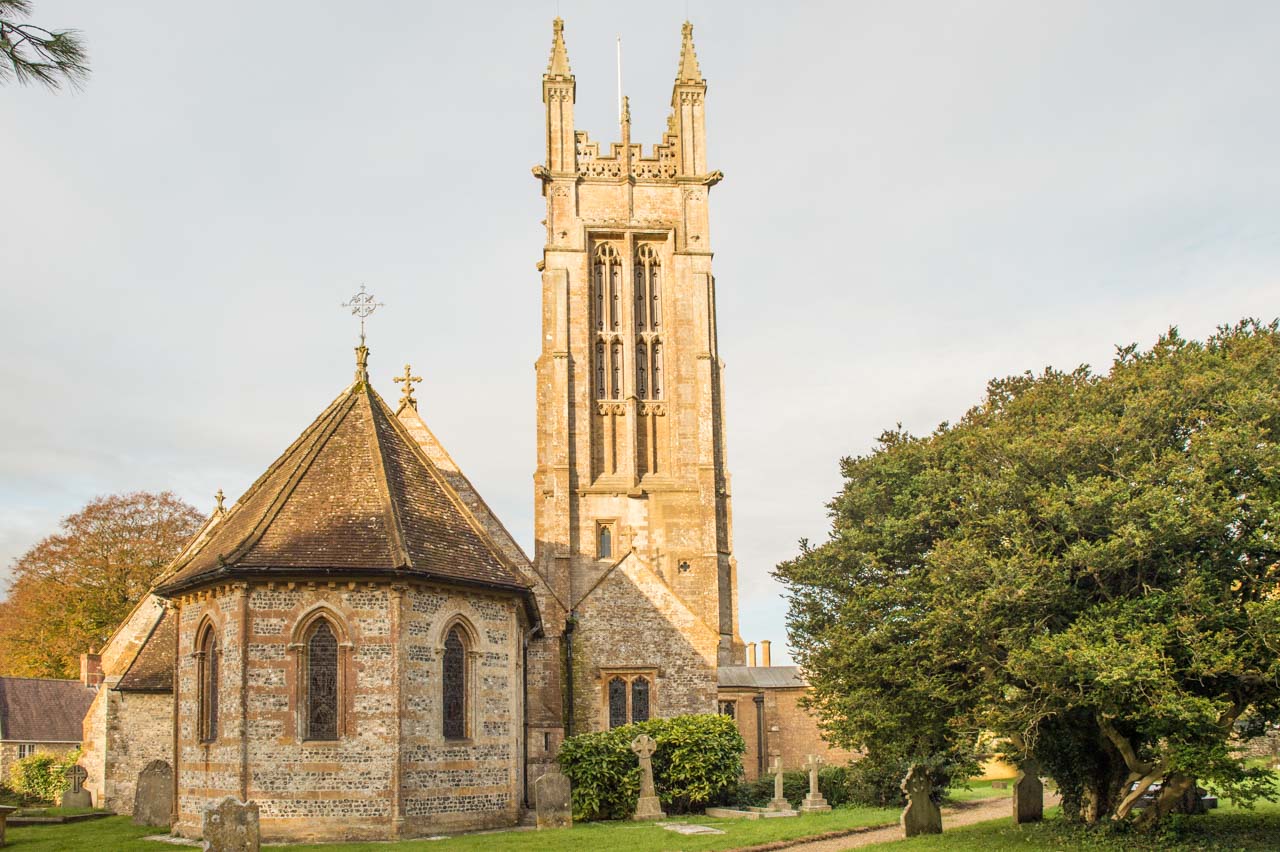
At the heart of the village is the church and churchyard, a central green space seething with wildlife if you know where to look. On summer evenings at least five species of bat whirl above your head, while the swifts which nest in the church buildings speed shrieking around the rooftops as dusk falls. Some of the churchyard’s most famous visitors are the hawfinches which flock in winter to the magnificent row of hornbeams which border its south side, and following them the flocks of bird-watchers from all over the county. Dog-walkers sometimes encounter the now rare hedgehog foraging among the graves at night. In spring and summer the graveyard is a carpet of wild flowers, and the church’s programme of grass cutting is managed to ensure that they continue to proliferate.
The Friends of Cattistock church aim to implement a scheme to increase habitats for wildlife of all kinds around the church, perhaps in time to acquire a gold medal for conservation from the Eco Church Foundation.
NATURE TABLE ARCHIVES
To see the image archive enter here
Previous years Nature Table articles can be viewed below:
For 2024 enter here
For 2023 enter here
For 2022 enter here
For 2021 enter here
For 2020 enter here
For 2019 enter here
Last Updated on 24th January 2026